

Đeman’s Role in Balkan and Vietnamese Traditions
Đeman is an old word from Balkan stories. It means a spirit that is not fully good and not fully bad. It acts more like a test or a trick than a real monster. In many tales, a Đeman tries to confuse people or push them to make hard choices.
Sometimes it teaches a lesson. It mixes fear with personal meaning because it shows the wild and hidden side inside every person. This article will tell you all about Đeman’s role.
Đeman in Balkan and Eastern European Folklore
Đeman is a strange spirit from Balkan and Eastern European stories. He tests how brave people are and challenges their character. People say he appears on lonely roads, in forests, and near old broken buildings. He is not fully evil. He acts more like a trickster or a guide.
He tries to make people face their fears and choose what is right. Many stories say he can change into animals or dark shapes so no one can guess what he will do next. Some old beliefs say he protects nature and wants people to respect the land.
When Christianity spread, people started to see him more as a spirit who teaches moral lessons. Even today, Đeman appears in local stories to remind people about courage and the fight between good and bad. Through these lessons, Đeman helps people create the life they want by facing their fears and making strong choices.
Đeman in Vietnamese Culture and Arts
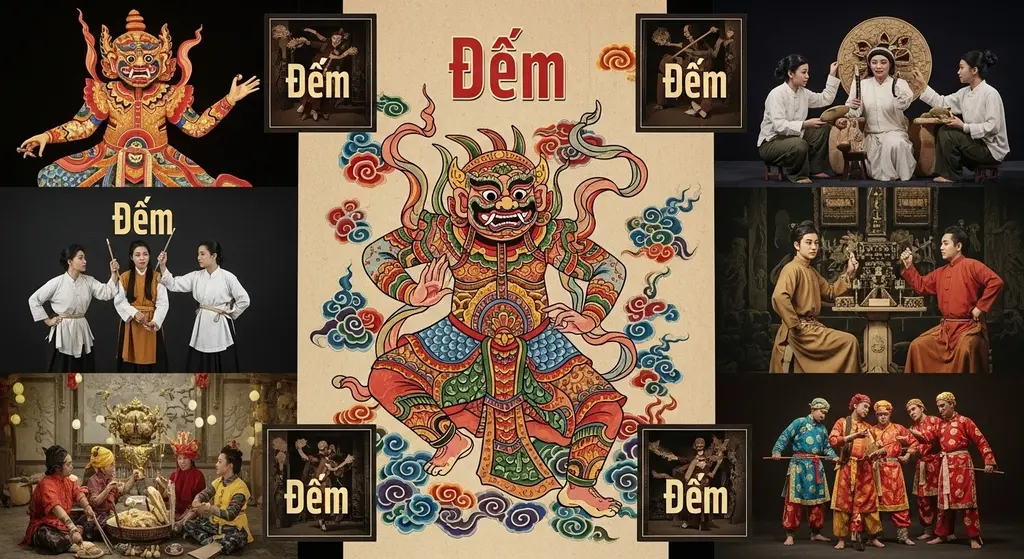
If we talk about the Vietnamese culture, Đeman plays an important part in traditional performing arts. It mixes shadow theater with dancing to create a powerful and mysterious feeling on stage. This character shows the battle inside a person or the fight between light and dark.
On stage, artists use bright colors and strong masks to show what Đeman really means. They make it a symbol for hidden feelings and personal change. This figure isn’t just a part of old stories now. It now connects the past with today through creative art.
Symbolic Meaning and Underlying Themes
I have always believed that Đeman was an intriguing subject because it shows the other side to us that cannot easily be seen. It appears to be a symbol of the fights that we engage with ourselves every day.
Đeman is the shady aspect of human nature the fears and temptations. It depicts the light and dark fight in each of us. Most societies utilize the Đeman as a reminder to the people that it is only by confronting the inner shadows that we get to grow.
Folklore Preservation by Đeman
There are numerous communities trying to preserve the memories of Đeman. Word of mouth, songs and local festivals are some of the ways through which these tales are spread across the generations. The reason why Đeman is studied by scholars and cultural groups is to document its history and meanings.
Having kept these stories, they save valuable elements of heritage that demonstrate how people used to cognize the world. This is to make sure that Đeman remains a living tradition and not merely a forgotten myth.
Rituals and Customs Linked to Đeman
People have never failed to translate the stories of Đeman into physical activities that could make them identify with their origin. It is amazing to see that traditions could preserve the spirit and make communities together.
Feasts and Traditional Ceremonies
Villages also celebrate Đeman through spirited festivals that are marked with music, dancing and story telling. These meetings appeal to the spirit to save the community and challenge their bravery. The power of such events consolidates the ties and makes everyone remember old lessons discussed.
Folk Practices and Superstitions
Some people across the globe also do rituals such as offering sacrifices at crossways or at the boundaries of forests to honor Đeman and to evade misfortune. Such actions indicate that they respect the power of the spirit and desire to remain in harmony with nature. These practices are very ordinary yet significant and keep the balance alive.
Rituals Across Different Communities
Different locations will treat Đeman differently-some view him as a cunning spirit that must be outsmarted whereas others view him as a sage to be looked upon. These variations make the legend interesting and demonstrate how malleable tales can become. Every society makes its own Đeman, according to their life and belief.
Đeman’s Role in Moral and Spiritual Lessons
The stories of Đeman make individuals move indoors and challenge their fears and weaknesses. This soul is such a mirror that demonstrates to us what we normally seek to suppress.
Teaching Values Through Stories
The stories of Đeman encourage people to do the right before the wrong pushing their honesty, courage and kindness. These stories serve as a caution that actions have consequences and therefore, individuals will be encouraged to do better things in their lives. By listening to these teachings, communities teach good moral values to their youthful generations.
Self-Scrutiny and Spiritualism
Đeman is a symbol of light and darkness inside any human being and invokes self-consciousness and self-development. The Đeman concept helps individuals in attempting to find the equilibrium of their inner struggles using the concept.
Impact on Community Ethics
The fact that Đeman appears in local myths influences the way of the way people treat each other and their surroundings. It enhances the value of respect, dignity and accountability as values in the community. Such lessons form closer bonds and a healthier social life for all parties.
Language and Cultural Identity
The letter Đeman is also significant in language and culture where the letter Đ is used. It makes individuals feel connected to the past and their culture. With language and stories, Đeman manages to preservea special culture among communities over a number of years.
Why Đeman Still Matters Today
Đeman is still an important matter today because it connects people to their cultural roots and shared stories. It plays a key role in keeping traditions alive even during the rapid change in the world.
As a symbol, Đeman helps communities preserve their identity by reminding them of history and core values. It bridges the past and present, showing how old lessons still hold meaning.
Conclusion
Đeman is not simply a character of ancient folklore. It represents the struggle within each and every person, and unites most cultures with common ideologies. The fact that folklore, art, and modern media have it is evidence of how strong and enduring this concept is. Đeman reminds us that we have to confront our fears and learn.
This ancient spirit is talking to us even nowadays and traditions are becoming alive and this spirit is inspiring people about new ways of knowing ourselves and the world that surrounds us.
FAQs
Not exactly. Đeman is neither purely evil nor good. It just sometimes challenges people to face fears.
Unlike demons in many cultures, Đeman blends qualities of trickster, protector, and tester rather than being simply malevolent.
Yes. Variations of Đeman-like figures appear in Vietnamese performing arts and Southeast Asian traditions but with different symbolism.


