

Foenegriek Benefits | Why This Herb Boosts Your Health
Fenugreek is a small seed with big health benefits. People have used it for centuries in food and natural remedies. It has a lot of benefits and adds a mild nutty taste to dishes. From what I have seen, many homes use it in tea and cooking.
It grows mainly in Asia and the Mediterranean and remains a trusted herb today. Modern studies also explore its role in heart health, weight control, and hormonal balance. This article will tell you all about Foenegriek.
What Foenegriek Is and Where It Comes From
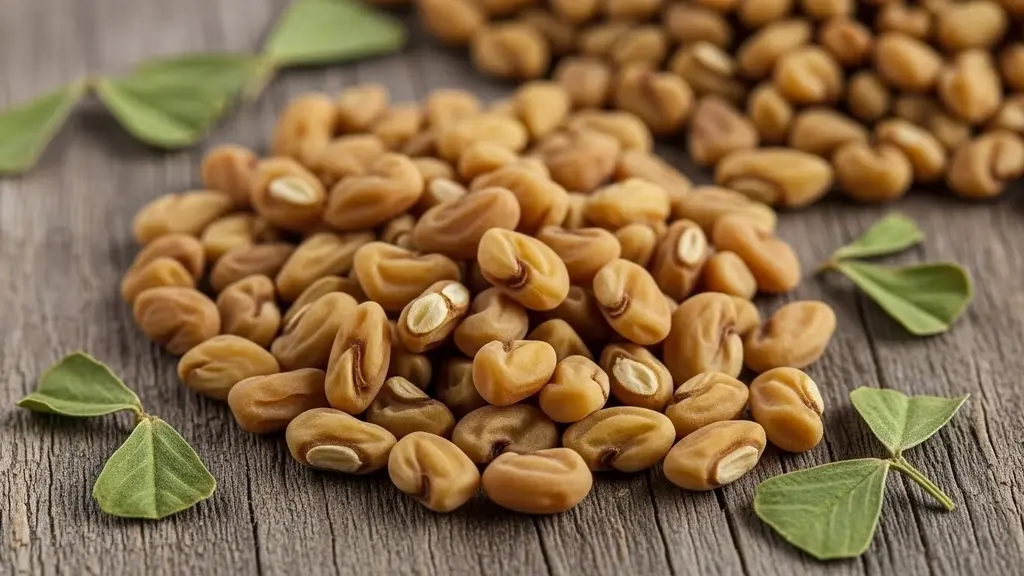
Foenegriek is also referred to as fenugreek. It is a minute grain of an oily green follicle. The seeds and the leaves are consumed and also used as medicine. It has a bitter taste and sweet nutty aroma. As far as I am concerned, this is typical of South Asian and Middle Eastern cuisine.
Initially, foenegriek expanded to portions of Asia, the Mediterranean and North Africa. It was used as medicine and food by ancient Egyptians. It then extended to India where it was merged with everyday spices and home medicines. It is today cultivated in many countries to be used as health products and for cooking.
Foenegriek Benefits and Uses for Daily Health
I have always been interested in natural herbs, and Foenegriek is one of the products that attracted my attention due to numerous health claims. I have dug in and found that it has some actual gains that are used by people in their daily lifestyles across the globe. Its role in natural healing makes it popular for improving blood sugar, digestion, and hormonal balance.
Blood Sugar Support
Foenegriek helps in maintaining the level of blood sugar, and it is very practical in the case of diabetic individuals or when one does not wish to experience spikes. It has substances that reduce the rate of absorption of sugar in the bowel. Numerous studies show that it is capable of reducing post-prandial blood sugar levels and enhancing insulin activity.
Cardiovascular and Lipid Health
This herb is beneficial to the heart as it helps reduce bad cholesterol (LDL) and increase good cholesterol (HDL). It contains fiber and antioxidants which minimize the inflammation of arteries. A big proportion of people taking Foenegriek will improve heart markers in a matter of weeks.
Improved Digestion
Foenegriek contains a lot of fiber and thus makes digestion easy and even regular. It is able to relieve constipation and stomach pain. It also has a traditional use where it is used to aid in detox and gut healing.
Hormonal Balance and Libido
Foenegriek can be used to regulate hormones in men and women. It has been known to improve libido and aid in reproduction. Many users also report a gentle wave of happiness and improved mood, making it helpful for emotional balance. Other women take it to relieve pain during menstrual periods as well as to boost energy.
The Nursing Mother’s Milk Production
Foenegriek is a very safe nursing milk that many mothers use to boost the supply of breast milk. It is a natural galactagogue that promotes milk flow. Both tradition and a part of scientific studies support this advantage.
Anti-Inflammatory and Anti-Oxidant Action
Foenegriek is a source of antioxidants that combat destructive free radicals in the body. It also reduces inflammation that contributes to joint pain and general wellness. Such effects can help to keep cells safe and prevent aging.
Weight Management
Foenegriek is used by some people to aid in appetite control and assist them in losing weight. It is capable of making people feel full and decreasing hunger. Also, it can increase metabolism by a small margin and thus losing fat will be easy in the long run.
History and Traditional Importance of Foenegriek
Foenegriek has a long history that goes back thousands of years. Ancient Egyptians used it for medicine and cooking, believing it could improve health and even help with wound healing. From what I’ve seen, it was also important in Greek and Roman times, where it was used both as a spice and a natural remedy.
In South Asia, Foenegriek became a staple in traditional medicine like Ayurveda. It was valued for helping digestion, balancing blood sugar, and boosting energy. Across the Middle East and North Africa, it was used in daily cooking and folk medicine to treat everything from inflammation to hormonal issues.
Today, this ancient herb still holds a strong place in many cultures, blending traditional wisdom with modern health trends. Its use in herbal teas, supplements, and foods keeps the legacy alive worldwide.
Nutritional Value of Foenegriek Seeds
Foenegriek seeds are packed with important nutrients that help the body stay strong and healthy. They are a good source of fiber, which supports digestion and keeps you full longer. The seeds also contain protein, making them helpful for muscle repair and energy.
Besides fiber and protein, Foenegriek has vitamins like B6 and minerals such as iron, magnesium, and manganese. These nutrients help with blood health, nerve function, and energy production. This combination makes Foenegriek a powerful addition to any diet.
How Foenegriek Works Inside the Body
Foenegriek works in several ways to support overall health. Its fiber slows down digestion, which helps control blood sugar levels and keeps you feeling full longer. This makes it useful for managing appetite and blood sugar spikes.
The seeds also contain special compounds called saponins and antioxidants. These reduce inflammation and protect cells from damage. Plus, Foenegriek can influence hormone levels by supporting estrogen and testosterone balance, which helps with energy and reproductive health.
This combination of effects makes Foenegriek a natural helper for digestion, metabolism, and hormone support.
Ways to Use Foenegriek in Food and Home Remedies
Foenegriek is very versatile and easy to add to your daily routine. You can use the seeds whole or ground as a spice in curries, soups, and stews to add a warm, slightly bitter flavor. Many people also soak the seeds overnight and drink the water for digestion and blood sugar support.
It’s common to make Foenegriek tea by boiling the seeds or using the powdered form. This tea is popular as a natural remedy for digestion and milk production in nursing mothers. You can also find Foenegriek in capsules or powders if you prefer supplements.
From what I’ve noticed, using it regularly in cooking or as a simple tea is the easiest way to enjoy its health benefits.

Safe Dosage and Important Side Effects
Using Foenegriek in moderate amounts is generally safe for most people. Typical daily doses range from 5 to 30 grams of seeds or 500 to 1000 milligrams in supplement form. It’s best to start with a small amount to see how your body reacts and avoid taking too much at once.
Some people can experience mild side effects like stomach upset, diarrhea, or a maple syrup-like smell in sweat and urine. Pregnant women should avoid Foenegriek because it can cause contractions. Also, it can interact with blood sugar or blood-thinning medications, so check with a doctor if you take medicines.
Careful use and consulting a healthcare provider can help you safely enjoy Foenegriek’s benefits.
Conclusion
Foenegriek is a powerful natural herb with a rich history and many health benefits. From supporting blood sugar control to improving digestion and hormone balance, it provides a lot of uses.
Whether added to food, taken as tea, or used in supplements, Foenegriek fits well into a healthy lifestyle. Just remember to use it carefully and check for side effects. Overall, this ancient seed remains a valuable part of modern wellness routines.