
Mindful Air: A Slow Living Guide to Home Ventilation
In the pursuit of a slower, more intentional life, we often focus on what we can see and touch. We declutter our spaces, choose natural materials, and fill our homes with objects that spark joy. But what about the element we interact with most intimately, the one that is quite literally the breath of our homes? The quality of our indoor air is an invisible yet fundamental thread in the tapestry of our wellbeing, deeply intertwined with the principles of mindful and sustainable living.
Creating a home that supports a slow living philosophy isn’t just about aesthetics; it’s about cultivating an environment that nurtures physical health and mental calm. The air we breathe indoors can be filled with subtle pollutants from cleaning products, off-gassing from furniture, cooking fumes, and excess moisture. By bringing a gentle awareness to our home’s ventilation, we can transform our living space into a true sanctuary of fresh, balanced air.
The Foundation: Understanding Natural Airflow
Before introducing any technology, the first step is to reconnect with the natural rhythm of air in your home. This is the most passive and energy-free approach to ventilation, perfectly aligned with a sustainable mindset.
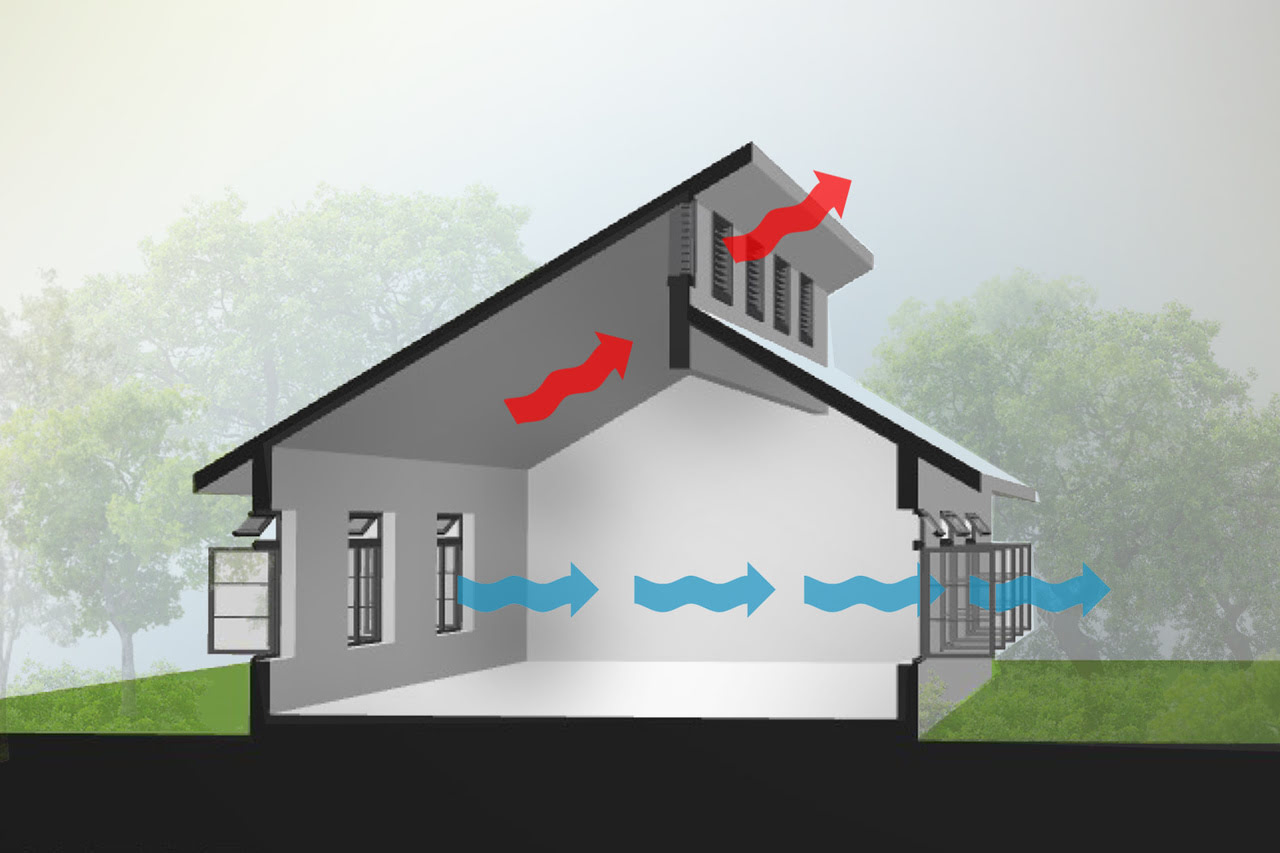
- The Cross-Ventilation Ritual: Make it a mindful morning practice. Open windows on opposite sides of your home for just 10-15 minutes. This creates a through-draught that efficiently flushes out stale air and invites in the new. It’s a simple act that symbolically refreshes the space for the day ahead.
- Listening to Your Home’s Signals: Notice the signs. Does condensation gather on your windows in the morning? Does the air feel heavy or can you detect lingering odours from last night’s dinner? These are your home’s gentle whispers, asking for a deeper breath. Acknowledging them is a form of mindful care for your living space.
- Seasonal Awareness: Your ventilation needs change with the seasons. In spring and autumn, you might leave a window on a night latch for hours. In the depths of winter, shorter, more intense bursts of ventilation are more effective and energy-conscious than letting precious heat escape continuously.
Breathing with Intention: Mechanical Assistance
While opening windows is a beautiful ritual, it’s not always practical. Noise pollution, security concerns, high pollen counts, or simply very cold weather can make it unsustainable. This is where thoughtful, well-designed mechanical systems can support your slow living goals, working quietly in the background to maintain harmony.
The most holistic systems available are Mechanical Ventilation with Heat Recovery (MVHR). These systems are the quiet achievers of a healthy home. They work by continuously extracting stale, moist air from ‘wet’ rooms like kitchens and bathrooms, and simultaneously supplying fresh, filtered air to living rooms and bedrooms. The genius lies in a heat exchanger, which transfers the warmth from the outgoing air to the incoming fresh air without mixing them.
The result is a constant, gentle stream of fresh, pre-warmed air, free from outdoor pollutants and allergens. It eliminates condensation, reduces the need for harsh chemical cleaners to tackle mould, and significantly cuts heating costs. It’s a long-term investment that aligns with sustainable values by drastically reducing energy waste, allowing you to breathe deeply knowing your comfort isn’t costing the earth.
The Art of Refinement: Personalising Your Airflow
Even with a mechanical system or simple extractor fans, there is a final, tactile layer to mindful ventilation—the ability to direct and refine the airflow to suit the mood and function of a room. This is where we can engage with our home’s ecosystem in a very personal way.
Vent covers, or grilles, are often seen as purely functional, but they can be a subtle design element. Adjustable vent covers allow you to control the volume of air entering or leaving a space. You might choose to reduce the flow in a quiet reading nook for absolute stillness, or direct it away from your desk to prevent drafts.
Choosing vent covers made from sustainable materials like solid wood or recycled metal, or simply ensuring the existing ones are clean and unobstructed, is an act of care. It’s about paying attention to the smallest details that contribute to the whole. For those with existing systems, learning how to properly install air vent covers or select the right style can be a simple weekend project that enhances both the function and aesthetic of your mindful home, ensuring every element works in gentle harmony.
A Holistic Approach: Synergy with Other Slow Living Practices
Mindful ventilation doesn’t exist in a vacuum. It works in concert with other choices we make for a slower, healthier lifestyle.
- Houseplants as Companions: While their impact on air volume is small, plants like peace lilies, snake plants, and spider plants can help remove specific toxins. More importantly, their presence connects us to nature and reminds us of the quiet, vital process of respiration.
- Mindful Cooking and Cleaning: Using your extractor fan during cooking and choosing natural cleaning products like vinegar and essential oils reduces the pollutant load that your ventilation system needs to handle. It’s a proactive approach to maintaining air purity.
- Embracing Natural Scents: Instead of synthetic air fresheners, which can release volatile organic compounds (VOCs), consider simmering citrus and herbs on the stove or using a simple essential oil diffuser. This ensures the fresh air in your home smells genuinely fresh.
Cultivating Your Sanctuary
Ultimately, mindful ventilation is about shifting our perspective. It’s about seeing our home not as a static box, but as a living, breathing entity that requires care and attention. By prioritising the quality of our indoor air, we make a profound investment in our long-term health and daily tranquility. It is one of the most fundamental, yet often overlooked, ways to cultivate a home that doesn’t just look beautiful, but truly feels restorative—a sanctuary where every breath is a conscious one.